
LEIGH REGENERATIVE MEDICINE SYSTEM
6110 Falconbridge Road, Suite 100 Chapel Hill, NC 27517
Non-Surgical Spinal Decompression in Chapel Hill.
Gentle, targeted therapy that relieves back, neck, and sciatic pain - without surgery.
Chronic back or neck pain can take over your life.

You’ve tried rest, medication, or injections — but the relief doesn’t last

Surgery feels risky, but living with the pain isn’t an option.

The pain keeps you from working, exercising, and enjoying time with family.
You deserve a safe, non-invasive solution.
At Leigh Brain & Spine, we’ve helped thousands of patients in Chapel Hill and the Triangle find lasting relief with spinal decompression therapy.
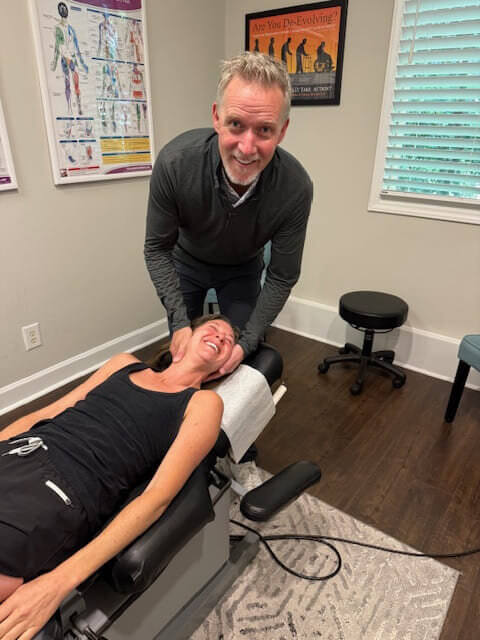
Compassionate care built around your unique needs
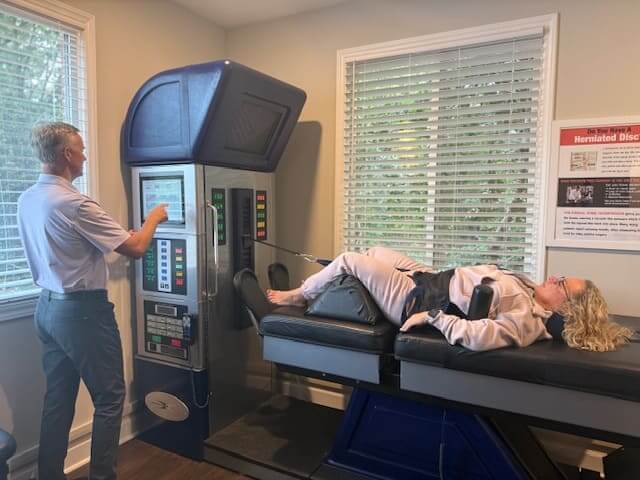
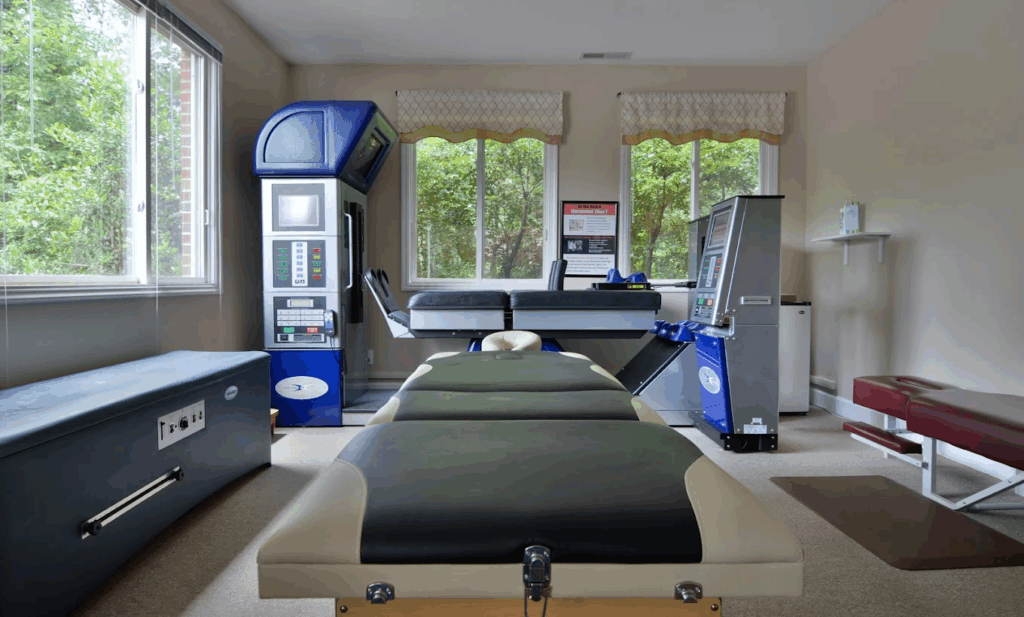
State-of-the-art decompression technology.
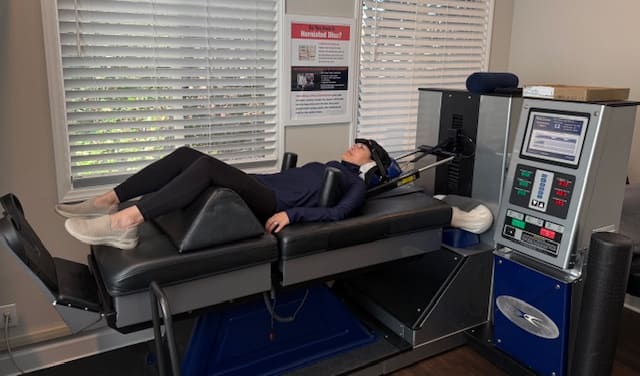
We understand what you’re going through — and we’re here to help.
Follow This Proven Plan for Pain Relief.
Getting started is easy:
1.
Schedule Your Consultation
- Meet with our team and review your condition.
2.
GET DR. LEIGH’S PROPRIETARY TREATMENT PLAN
- Tailored to your diagnosis and goals.
3.
Start Therapy & Find Relief
- Experience reduced pain and improved mobility.
How Spinal Decompression Works
- This non-surgical treatment has been proven to help with:
Herniated or bulging discs
A herniated disc occurs when the soft inner gel of a spinal disc pushes through its outer casing, pressing on nearby nerves and causing sharp, radiating pain. Bulging discs are similar but less severe — the disc expands outward without fully rupturing. Spinal decompression creates negative pressure inside the disc, which gently draws the displaced material back toward the center and relieves nerve pressure. Many patients with herniated discs who were told they needed surgery have found lasting relief through decompression alone.
Sciatica (leg pain, numbness, tingling)
Sciatica is characterized by pain, numbness, or tingling that travels from the lower back down through the buttock and into one or both legs — often caused by a herniated disc or bone spur compressing the sciatic nerve. The pain can range from a dull ache to a sharp, debilitating sensation that makes sitting or standing unbearable. Spinal decompression reduces the disc pressure responsible for that nerve compression, allowing the sciatic nerve to heal and the radiating symptoms to subside. Patients often notice leg pain decreasing before their back pain fully resolves — a sign the nerve is decompressing.
Degenerative disc disease
As we age, spinal discs naturally lose height and hydration, becoming less effective as shock absorbers between vertebrae. This wear and tear — known as degenerative disc disease — leads to chronic stiffness, aching, and flare-ups of intense pain with movement. Spinal decompression helps by restoring fluid and nutrient flow back into the dehydrated discs, slowing further degeneration and reducing inflammation. It is one of the few non-surgical options that directly addresses the disc itself rather than just masking the pain.
Pinched Nerves
A pinched nerve occurs when surrounding tissue — bone, disc, or muscle — applies too much pressure on a nerve root exiting the spine, causing pain, weakness, or numbness in the arms or legs. Left untreated, pinched nerves can lead to permanent nerve damage and worsening symptoms. Decompression gently opens the space around the affected nerve root, relieving the compression and giving the nerve room to recover. Most patients experience noticeable improvement in nerve-related symptoms within the first several sessions.
Peripheral Neuropathy
Peripheral neuropathy causes burning, tingling, or numbness — most commonly in the hands and feet — as a result of damaged nerves outside the brain and spinal cord. When spinal compression is a contributing factor, decompression therapy can reduce the nerve pressure at the source and improve circulation to affected areas. While neuropathy has multiple causes, patients whose symptoms stem from spinal involvement often see meaningful improvement through a structured decompression program.
Chronic Lower Back or Neck Pain
Chronic lower back or neck pain is defined as persistent pain lasting three months or longer — and it’s one of the leading reasons people in Chapel Hill and the Triangle seek medical care. Unlike acute pain from a sudden injury, chronic pain often builds gradually and can stem from a combination of factors including disc wear, poor posture, repetitive strain, muscle imbalance, or years of physical stress on the spine.
What makes chronic pain particularly difficult is that it rarely responds well to rest, medication, or injections alone. These approaches may reduce symptoms temporarily but don’t address the underlying structural cause — which means the pain keeps coming back. Many patients spend years cycling through treatments without finding lasting relief.
Spinal decompression targets the root cause rather than masking the pain. By gently restoring disc height, reducing nerve pressure, and rehydrating compressed spinal discs, decompression creates the conditions the spine needs to actually heal. For patients with chronic lower back pain, treatment often focuses on the lumbar region — the five vertebrae of the lower spine that bear the most load throughout daily life. For those with chronic neck pain, the cervical region is targeted with the same precision, addressing the discs and nerve roots responsible for pain that radiates into the shoulders, arms, or hands.
At Leigh Brain and Spine, many of our chronic pain patients come to us after years of trying everything else. If that sounds familiar, spinal decompression may be the structured, non-surgical solution you’ve been looking for.
Benefits You Can Expect
Pain relief
Healing of spinal disc tissue
Restore normal spinal disc and joint alignment
Relieve pressure on spinal nerves
The Cost of Ignoring Your Back Pain
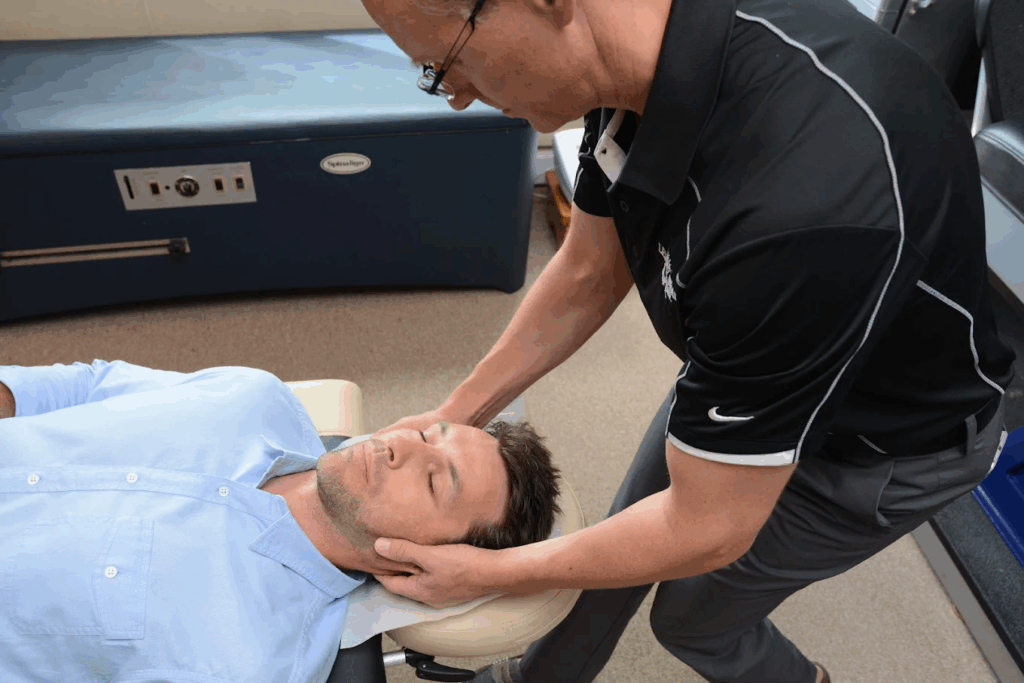
- Without treatment: Back and disc problems can get worse, limiting your activity, work, and relationships.
- With the right plan: You can move freely, reduce pain, and get back to living the life you love.
Patient Testimonials
Advanced DRX-9000 Spinal Decompression at Our Clinic
Frequently Asked Questions
Is spinal decompression painful?
How many sessions will I need?
Is spinal decompression safe?
What benefits can I expect from spinal decompression therapy?
Spinal decompression therapy provides significant pain relief for most patients within the first few sessions.
The treatment increases spinal mobility and flexibility while promoting natural healing of damaged discs.
Many patients report reduced dependence on pain medications and improved ability to perform daily activities.
Is spinal decompression therapy a safe treatment option?
Our FDA-cleared spinal decompression equipment features multiple safety protocols and sensors for precise control during treatment.
The gentle traction force is completely adjustable and monitored by computer systems throughout each session.
Our experienced specialists carefully screen each patient to ensure they’re suitable candidates for this therapy.
How many spinal decompression sessions will I typically require?
Most patients complete between 15-20 sessions over a 6-8 week period for optimal results.
Each session lasts approximately 30-45 minutes, with specific timing based on your condition and response to treatment.
We evaluate progress regularly and adjust the treatment plan according to your individual healing response.
What specific conditions can spinal decompression therapy address?
Spinal decompression effectively treats herniated discs, bulging discs, and degenerative disc disease.
The therapy provides relief for sciatica, pinched nerves, and chronic neck or back pain.
Patients with spinal stenosis and failed back surgery syndrome often experience significant improvement.
Will my insurance provide coverage for spinal decompression treatments?
Coverage varies by insurance provider and specific policy terms. We work with patients to verify benefits before treatment begins.
Our office staff assists with insurance documentation and can explain available payment options.
How do Leigh Brain & Spine's therapies integrate with spinal decompression?
We combine spinal decompression with targeted exercises and physical therapy to enhance treatment outcomes.
Cold therapy and electrical stimulation may complement the decompression sessions when appropriate.
Our comprehensive approach includes postural education and lifestyle modifications to support long-term spine health.
How does spinal decompression compare to surgery?
Spinal decompression is a non-invasive, drug-free alternative that addresses many of the same conditions surgery is used for — herniated discs, sciatica, and degenerative disc disease — without the risks, recovery time, or cost.
Most patients complete a treatment program in 6–8 weeks and return to normal activity throughout. Surgery carries risks of infection, complications, and lengthy rehabilitation. For many patients, decompression delivers comparable relief without ever going under the knife.
Can spinal decompression make my condition worse?
When performed on appropriate candidates, spinal decompression is very safe. Before treatment begins, Dr. Leigh conducts a thorough evaluation to confirm you’re a good fit. Patients with fractures, severe osteoporosis, spinal implants, or certain types of spinal instability are not candidates — this screening process is exactly what keeps treatment safe.
The vast majority of patients experience relief, not worsening, and the DRX-9000 system includes computer-controlled sensors that constantly monitor and adjust force throughout every session.
What's the difference between spinal decompression and traction?
Traditional traction simply pulls the spine in one direction at a fixed force. Spinal decompression using the DRX-9000 is far more precise — it uses computer-controlled, variable tension that cycles between distraction and relaxation, targeting specific discs at specific angles.
This cycling motion is what creates the negative pressure inside the disc, drawing fluid and nutrients back in to promote healing. Standard traction cannot achieve this effect, which is why decompression consistently outperforms it for disc-related conditions.
Am I a good candidate for spinal decompression?
You may be a strong candidate if you’ve been diagnosed with a herniated or bulging disc, degenerative disc disease, sciatica, spinal stenosis, or a pinched nerve — and especially if you’ve tried rest, medication, or injections without lasting relief.
Patients who are not candidates include those with fractures, advanced osteoporosis, spinal fusion hardware, or who are pregnant. The only way to know for certain is through a consultation with Dr. Leigh, where your imaging and symptoms are reviewed in detail.
What should I do (and avoid) between sessions?
To get the most from your treatment plan, stay as active as comfortably possible — short walks are encouraged. Avoid heavy lifting, prolonged sitting, and high-impact activities like running during your program. Stay well hydrated, as your discs rely on fluid for the healing process.
Follow any home exercises Dr. Leigh recommends, and avoid skipping sessions — consistency is key to achieving the negative disc pressure that drives healing.
Can spinal decompression help after a failed back surgery?
Yes, in many cases. Patients who continue to experience pain after spinal surgery — a condition known as Failed Back Surgery Syndrome (FBSS) — are often still dealing with residual disc pressure or nerve involvement that surgery didn’t fully resolve.
Spinal decompression can address these underlying issues non-invasively, provided there are no hardware contraindications from the prior surgery. Dr. Leigh evaluates post-surgical patients carefully to determine whether decompression is a safe and appropriate next step.